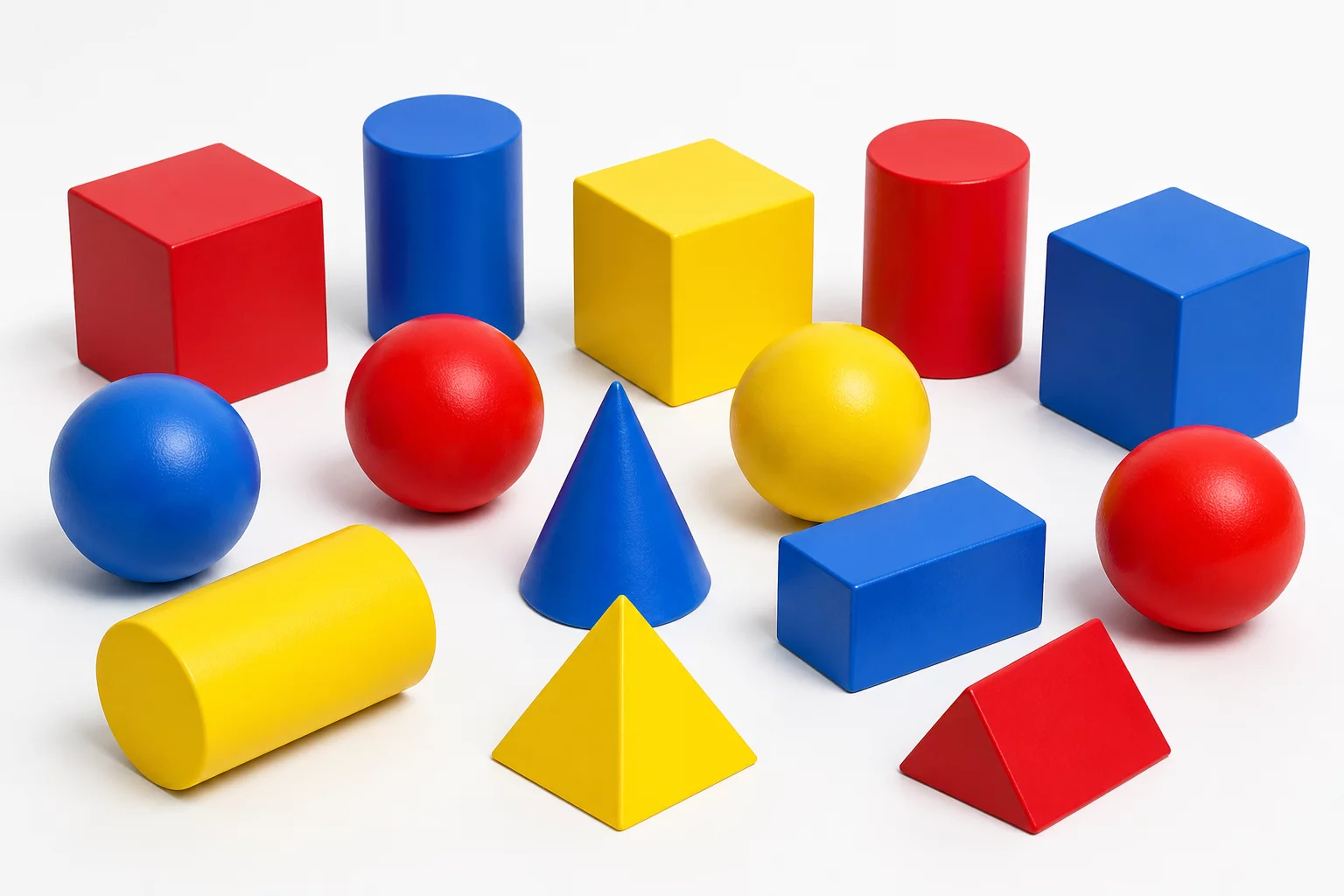
Every intricate mechanical assembly and artistic enclosure begins with elementary geometric solids. Primitive shapes like the cube, cylinder, sphere, pyramid, and wedge form the backbone of solid modeling. When placed on the virtual workplane, each primitive carries distinct dimensional parameters such as length, radius, wall thickness, and bevel attributes that define its surface topology.
Primitive Geometry and Spatial Transformations
Precision placement relies on coordinate snap grids and directional handle controls. Position an object by dragging its base across the X and Y axes, or manipulate the vertical cone handle to alter elevation above the ground plane. Holding shift while scaling preserves uniform aspect ratios, whereas custom numerical inputs inside the inspector panel ensure exact millimeter measurements required for engineering tolerances.
Boolean Operations: Union, Difference, and Intersect
Complex geometries emerge by combining simple forms. By toggling any primitive shape from solid to hole status, users turn geometry into a volumetric cutting tool. Grouping a solid body with an intersecting negative shape removes material seamlessly, allowing creators to drill cylindrical holes, carve interior cavities, and bevel edges with absolute reliability.
Community Discussions
4 CommentsMarcus Vance
InstructorWhen combining multiple primitives, always verify your align tool settings beforehand to prevent accidental offsets along the central Z plane.
David Kalu
StudentIs there a limit to how many grouped primitives can be combined before export, or does the editor handle high-polygon counts smoothly?
Join the Technical Discussion